 (613) 454-1577
 Request Service




When To Repair or Replace Your Appliance: Expert Advice
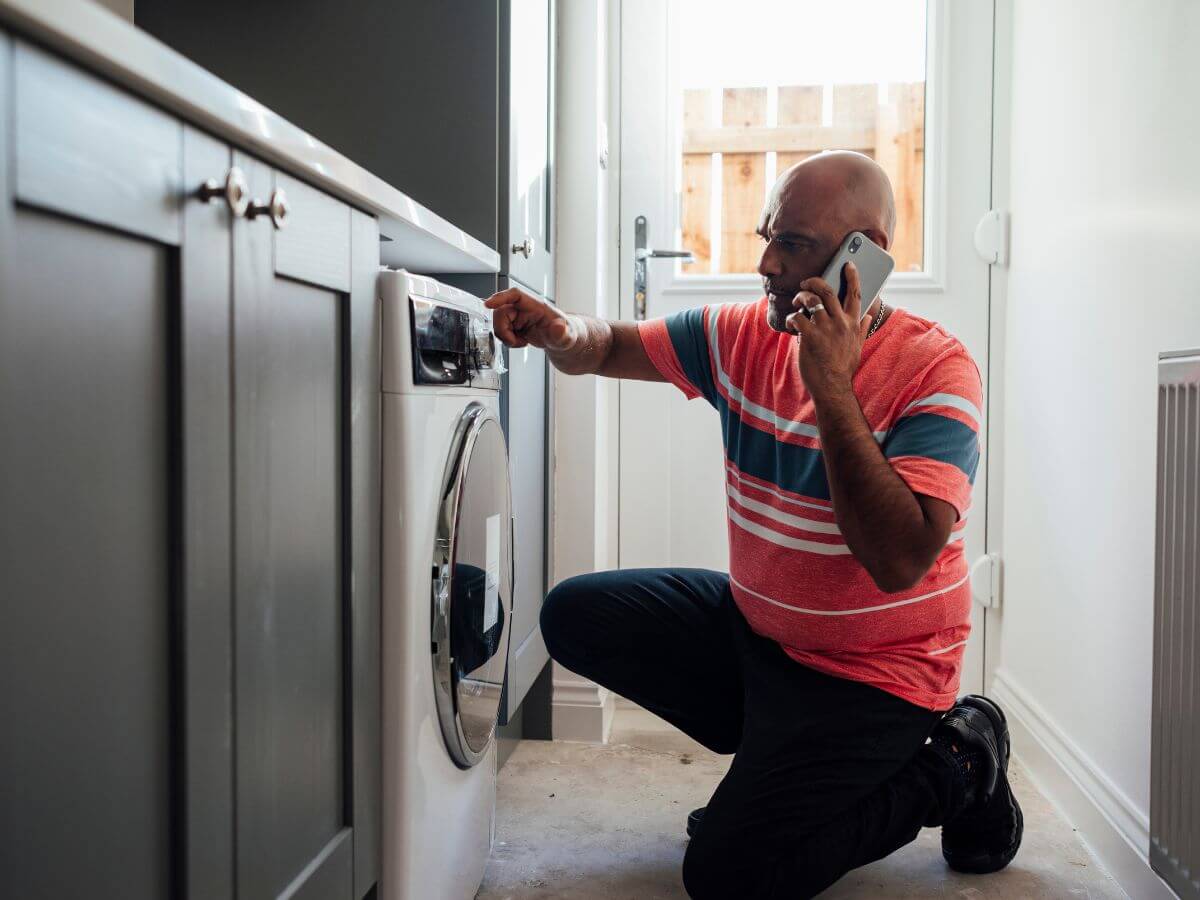
Appliances are the unsung heroes of our homes, keeping our food fresh, clothes clean, and our kitchens running smoothly. But like everything that is mechanical, they eventually break down, at which point you’ll probably wonder whether to repair it or replace it. This is a common dilemma for any homeowner, and sometimes the answer is not that obvious. In this guide, we break down the key factors to consider and provide appliance-specific advice to help you make an informed decision.
Signs It is Time to Repair
Learn more about Capital Appliance Repair. Not every appliance problem means you need a new one. A professional repair can often get it working like new. Consider fixing it if:
- Minor issues or strange noises: Humming, clicking, or vibrations usually point to small, fixable problems.
- Your appliance is fairly new: If it’s under 5 to 7 years old, repairing it is often the smarter choice.
- Repair costs make sense: If the repair is less than half the price of a new appliance, it’s usually worth doing.
For example, a fridge that hums loudly might just need a new fan, and a washer that won’t spin could simply need a new belt.
Signs You Should Replace
Sometimes replacing an appliance is the better move:
- Your appliance is old: Most appliances have a lifespan, fridges 10, 15 years, washers and dryers 8, 12, ovens 10, 15, dishwashers 10, 12.
- Frequent breakdowns: Constant repairs add up in cost and hassle.
- Rising energy costs: Older models use more electricity and water, increasing bills.
- Safety issues: Leaks, rust, or electrical problems can be dangerous.
Replacement may cost more upfront, but it often saves money, time, and stress over the long term
Repair or Replace: Appliance Guide
1. Refrigerators
Noises louder than usual, minor temperature fluctuations, or small leaks do not automatically mean replacement by a new one. Most of the time, these are issues thats can easily be fixed by professional fridge repair experts.
Repair your fridge if:
- It is under 10 years old
- The problem is small, like a faulty thermostat, worn-out door seal, or a clogged condenser coil
- Energy efficiency hasn’t dropped significantly
Replace your fridge if:
- It is over 10 to 15 years old
- It breaks down frequently or repair costs keep adding up
- Your energy bills have noticeably increased
- You see rust, leaks, or any electrical hazards
2. Washers and Dryers
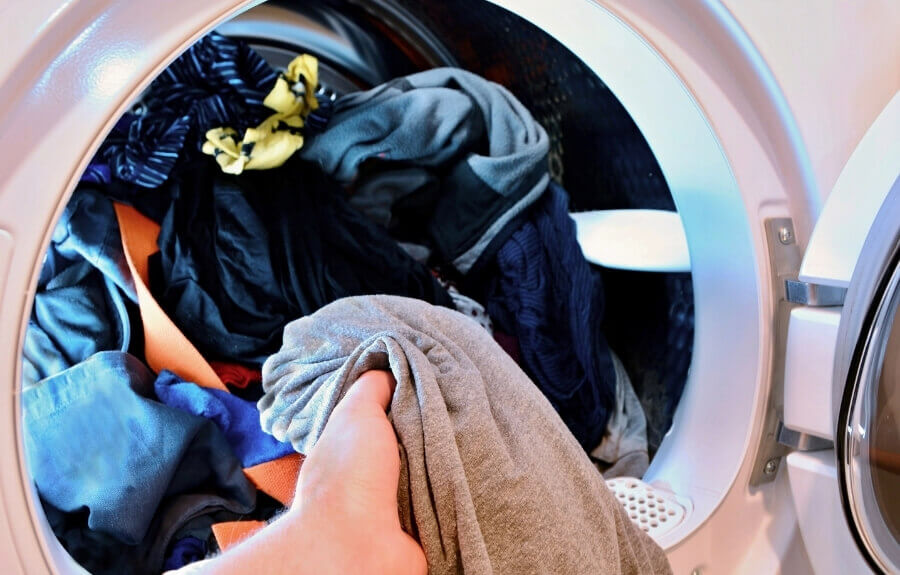
Laundry appliances take a beating, which means they wear out faster than most appliances. A washer that will not spin properly or a dryer that struggles to heat can often be repaired if the appliance is relatively young.
Repair your washer or dryer if:
- The appliance is under 8 to 10 years old
- Problems include a broken belt, motor issue, clogged vent, or minor leaks
Replace your washer or dryer if:
- It’s over 10 years old
- Loud banging noises
- Repeated breakdowns
- Persistent leaks occur
- The appliance is inefficient, wasting energy or water
3. Ovens and Stoves
Ovens and stoves are essential for cooking, but safety should always come first. Uneven heating, malfunctioning burners, or a broken thermostat can often be repaired if the appliance is fairly new.
Repair your oven or stove if:
- It is under 15 years old
- Problems are minor, like uneven heating or a malfunctioning burner
Replace your oven or stove if:
- It is over 15 years old
- Electrical issues or multiple failing components pose a safety risk
- Energy efficiency is poor compared to modern models
4. Dishwashers
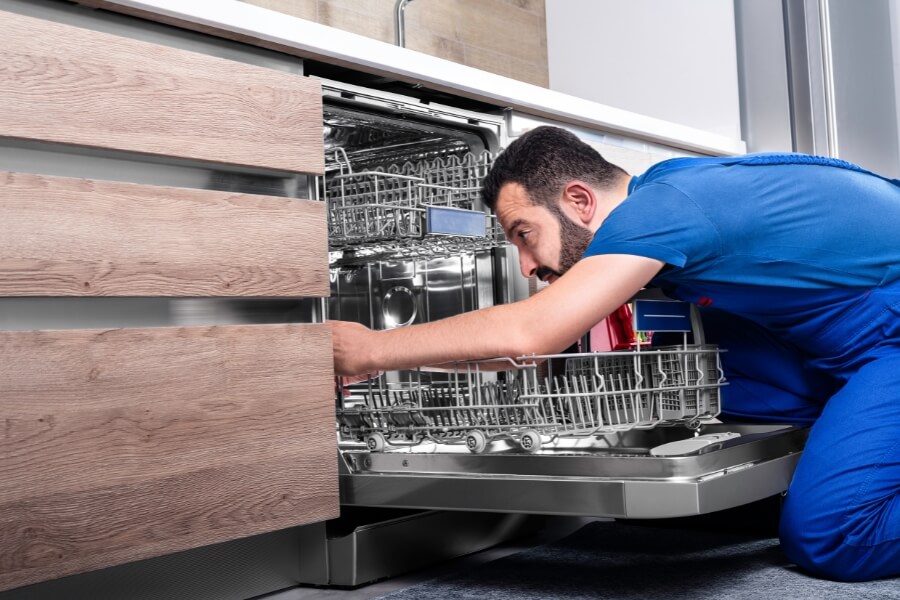
A broken dishwasher can throw off your whole evening routine. Suddenly dishes pile up, and you’re washing everything by hand. The good news is that many issues that need dishwasher repairs, like poor drainage or a small leak, are repairable if the dishwasher is still fairly new.
Repair your dishwasher if:
- It is under 10 years old
- Problems include poor drainage, leaking, or motor issues
If your dishwasher is older and keeps acting up, replacing it may save you time and stress. Older models often use more water and energy, and repeated breakdowns can add up quickly.
Replace your dishwasher if:
- It is over 10 years old
- Rust, repeated breakdowns, or inefficiency are present
- Energy and water use are high compared to newer models
How to Decide: Repair vs. Replace
Here is a simple formula to guide your decision:
Age of Appliance + Cost of Repair = Decision Factor
- Young appliance with low repair cost → Repair it
- Old appliance with high repair cost → Replace it
Making The Right Choice
When your appliance needs repairs, knowing its age, condition, and the cost of fixing it can make the decision easier. If you’re unsure, contact the experts at Capital Appliance Repair for honest guidance and reliable service to get your appliance back in working order and keep your home running smoothly.
Authority sources:
appliance repair community
Energy Star certified appliances
appliance repair experts


