 (613) 454-1577
 Request Service



What Damages a Glass Cooktop and How to Prevent It
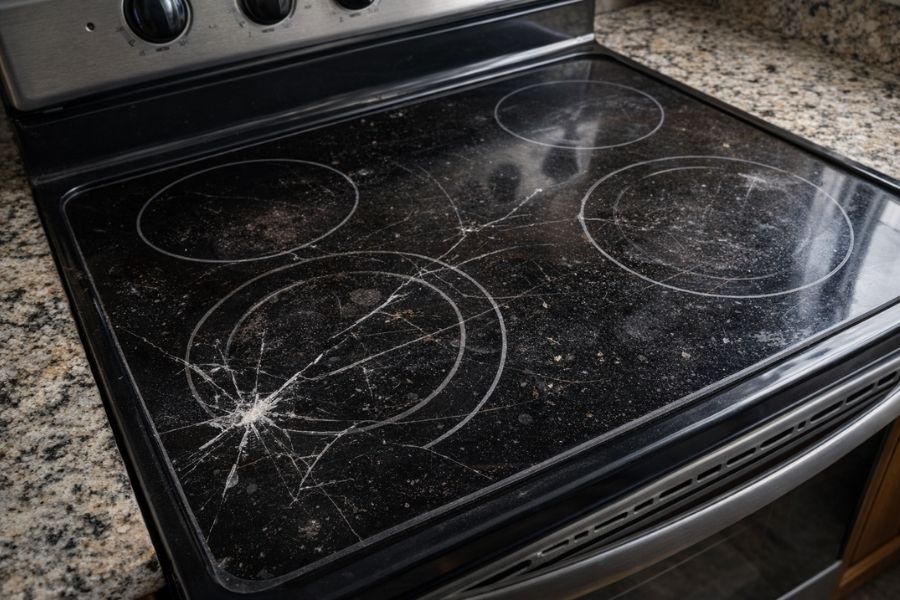
Glass cooktop stoves look modern, cook evenly, and are easy to clean when used correctly. However, many homeowners unknowingly damage their glass cooktop stove through daily habits, poor cookware choices, and improper cleaning. These issues often lead to cracks, scratches, heating failures, and complete stove breakdowns that require professional service.
Learn more about Capital Appliance Repair. This detailed guide explains what damages a glass cooktop stove, how to prevent it, and when to seek professional stove repair services. If you want your cooktop stove to last longer and perform safely, every section below is essential.
Understanding How a Glass Cooktop Stove Works
A glass cooktop stove is made from ceramic glass designed to withstand high temperatures while remaining smooth and flat. Beneath the surface are electric radiant elements or induction heating zones that transfer heat directly to cookware.
Why Glass Cooktop Stoves Require Special Care
- The glass surface is strong but not impact proof
- Scratches weaken the surface over time
- Sudden temperature changes can cause cracks
- Improper cookware can damage heating elements
Because replacement costs are high, prevention is always cheaper than cooktop stove repair.
Common Causes of Glass Cooktop Stove Damage
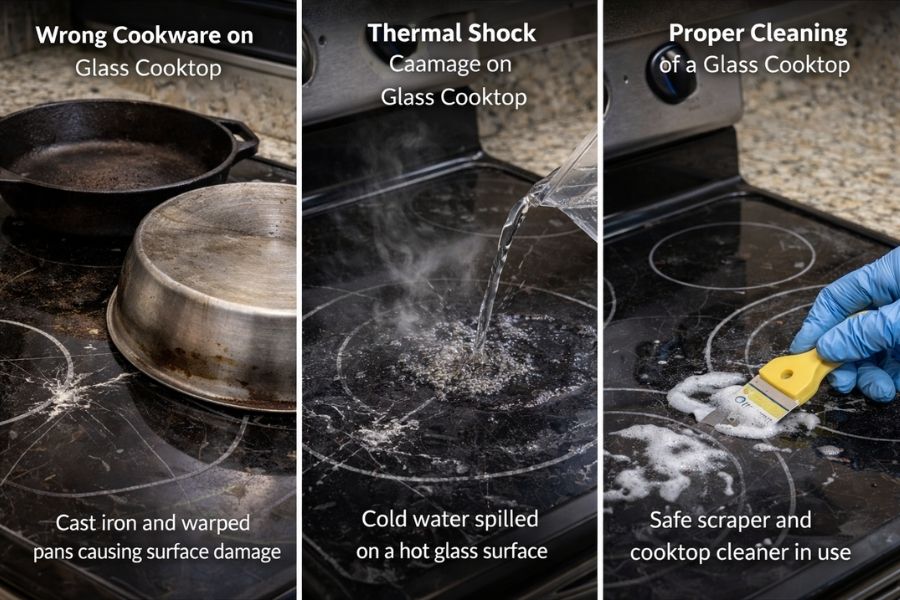
1. Using the Wrong Cookware on a Glass Cooktop Stove
Cookware choice is one of the leading causes of glass cooktop stove damage.
Cookware That Can Damage a Cooktop Stove
- Cast iron pans with rough bottoms
- Stoneware or ceramic cookware
- Warped or uneven pots
- Glass cookware not rated for stovetop use
Dragging heavy cookware across the surface scratches the glass and weakens it over time.
Best Cookware for Glass Cooktop Stoves
- Flat bottom stainless steel pans
- Aluminum cookware with smooth bases
- Induction compatible cookware for induction cooktop stoves
Note: According to Consumer Reports, flat bottom cookware distributes heat evenly and reduces cooktop surface stress.
2. Dropping Heavy Objects on the Glass Cooktop Stove
Glass cooktop stoves are highly sensitive to impact damage.
Common Impact Risks
- Dropping cast iron lids
- Accidentally knocking over pots
- Placing heavy appliances on the cooktop
Even a small drop can cause invisible micro cracks that later spread when heat is applied.
3. Thermal Shock on a Glass Cooktop Stove
Thermal shock occurs when rapid temperature changes stress the glass surface.
Examples of Thermal Shock Damage
- Placing cold cookware on a hot cooktop
- Spilling cold water on a hot glass stove
- Cleaning hot surfaces with cold cloths
Thermal shock is a major cause of cracked glass cooktop stove surfaces.
4. Scratches from Improper Cleaning Methods
Many homeowners unknowingly damage their glass cooktop stove during cleaning.
Cleaning Mistakes That Damage Cooktop Stoves
- Using steel wool or abrasive pads
- Scraping with metal tools
- Using powdered cleaners
Scratches not only look bad but also weaken the cooktop and trap food residue.
Burned-On Spills and Their Long-Term Effects on Cooktop Stoves
Spills that are not cleaned promptly can permanently damage the glass cooktop stove.
Foods That Cause Severe Cooktop Damage
- Sugar and sugary syrups
- Plastic or aluminum foil
- High starch liquids
When sugar melts onto the glass cooktop stove, it can fuse with the surface and cause pitting.
Immediate Action Tip
Turn off the stove immediately and carefully remove the spill using a cooktop scraper while the surface is still warm.
Weight Limits and Pressure Damage on Glass Cooktop Stoves
Every glass cooktop stove has a maximum weight limit.
How Excessive Weight Damages Cooktop Stoves
- Using oversized stock pots
- Canning with heavy water filled pots
- Standing or leaning on the cooktop
Excess pressure causes stress fractures that eventually require professional stove repair.
Electrical Issues That Affect Glass Cooktop Stove Performance
Damage is not always visible. Internal electrical problems often cause uneven heating.
Common Electrical Problems
- Faulty heating elements
- Wiring issues
- Control board failures
If burners stop heating or overheat, contact a qualified technician for glass cooktop stove repair.
Reference: Appliance manufacturers such as GE Appliances recommend professional service for electrical cooktop repairs.
How to Prevent Glass Cooktop Stove Damage
Daily Cooktop Stove Care Tips
- Lift cookware instead of sliding it
- Clean spills immediately
- Use cooktop safe cleaners
- Allow surfaces to cool naturally
When to Call for Professional Glass Cooktop Stove Repair
Some damage requires immediate professional attention.
Signs You Need Stove Repair Service
- Visible cracks or chips
- Burners not heating properly
- Control panel malfunctions
- Electrical burning smells
Delaying repairs can lead to safety hazards and higher repair costs.
Protecting Your Glass Cooktop Stove
A glass cooktop stove is an investment that deserves proper care. Most damage is preventable with the right cookware, gentle cleaning habits, and awareness of daily risks. When problems arise, timely professional stove repair protects your home and extends the life of your appliance.
If your glass cooktop stove shows signs of damage, do not wait. Schedule expert stove repair service to restore safe and efficient cooking.
Frequently Asked Questions About Glass Cooktop Stove Damage
Can a scratched glass cooktop stove be repaired?
Minor scratches can sometimes be polished, but deep scratches usually require surface replacement.
Is it safe to use a cracked glass cooktop stove?
No. Cracks can spread quickly and pose electrical and burn hazards.
Does warranty cover glass cooktop stove damage?
Most warranties do not cover damage caused by misuse or impact.
Authority sources:
Consumer Reports oven reviews
Energy Star ovens
NRCAN oven efficiency


