 (613) 454-1577
 Request Service




Why Is Your Kitchen Oven Unsafe And When Should You Call For Help?
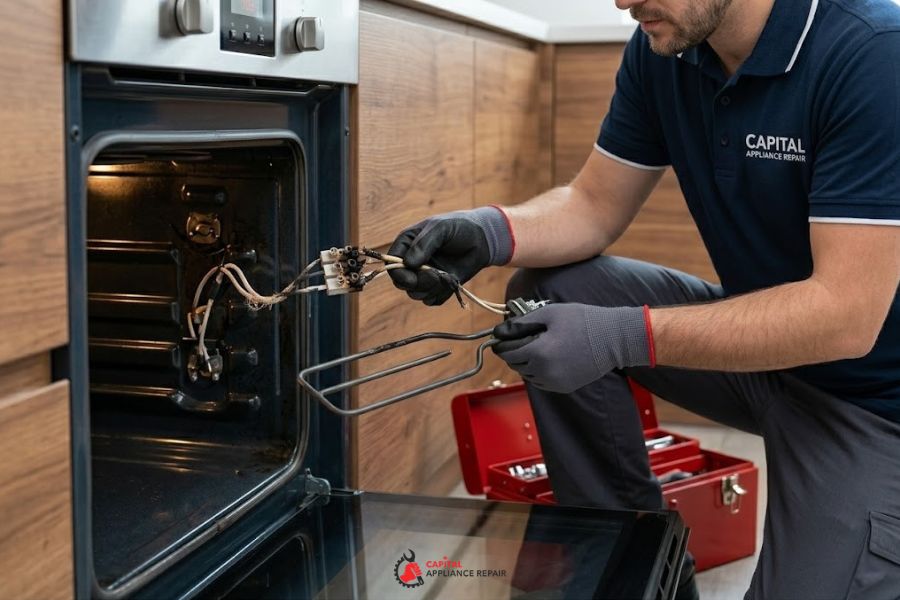
Cooking meals for your family is a daily joy for many homeowners in Ottawa. However, a malfunctioning appliance can quickly turn your cooking routine into a serious hazard. If you are wondering whether your kitchen oven unsafe conditions are just minor quirks or true emergencies, you are in the right place. We are going to explore the top warning signs that indicate your baking appliance is a danger to your home. We will also look at when it makes sense to seek professional help from appliance repair service in Ottawa to restore safety to your household.
Appliances draw massive amounts of electricity or rely on highly combustible natural gas. Ignoring strange smells, weird noises, or extreme heat can lead to property damage or worse. Our goal today is to help you identify these risks early so you can protect your kitchen. Because your appliances see heavy use every single day, wear and tear on components like hinges, switches, and heating coils is inevitable. Let us dive into the specific signs that make your kitchen oven unsafe to use and how our dedicated appliance service team can help.
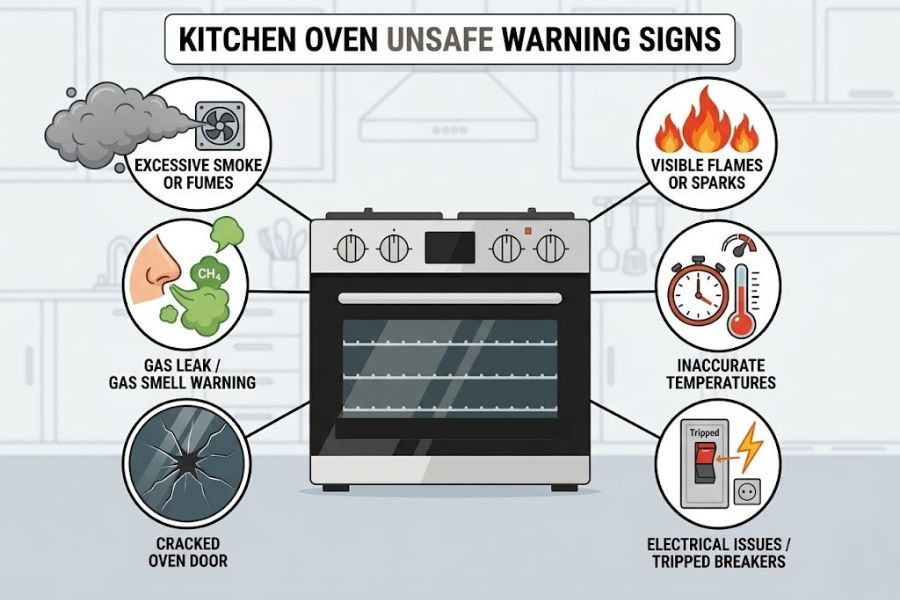
What Should You Do When A Gas Smell Occurs?
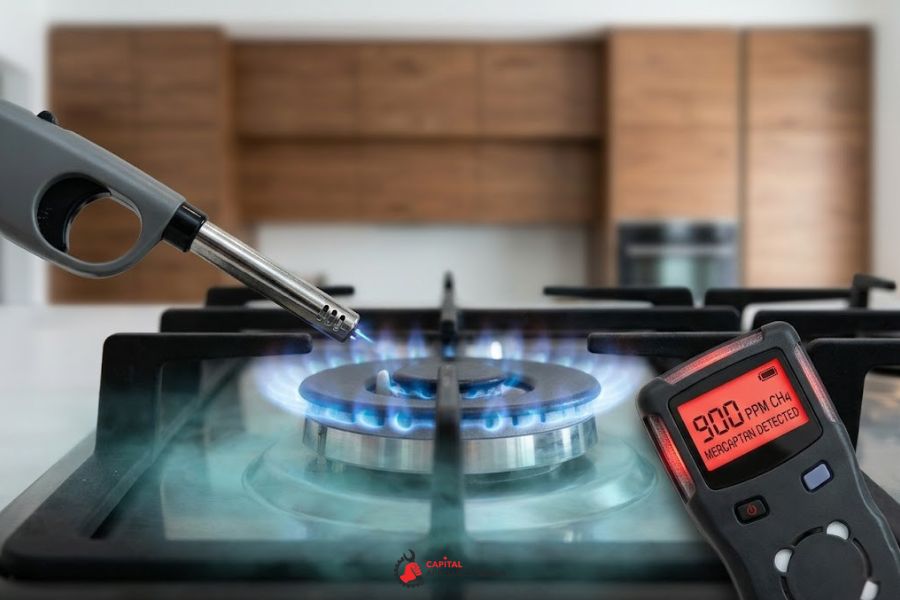
The smell of natural gas is one of the most terrifying odors you can encounter in a home. Utility companies deliberately add a chemical called mercaptan to the gas supply so that leaks smell like rotten eggs. If you walk into your kitchen and notice this distinct odor when you turn on the bake cycle, your appliance is experiencing a major failure. A gas leak means raw combustible fuel is filling your home instead of burning off safely. You must take immediate action to protect your family and your property.
Often, this issue stems from a weak igniter. If the igniter glows but does not produce enough heat to light the gas, the valve remains open and releases gas into the cavity. This creates a severe risk of carbon monoxide poisoning. For official safety protocols, you can review the Health Canada guidelines on carbon monoxide safety. You should immediately open your windows, shut off the gas supply line if it is safe to do so, and evacuate the area. After the area is secure, you can contact our stove service experts for comprehensive diagnostics. Premium gas ranges, like those requiring Wolf appliance repair, have specific safety valves that should only be handled by certified technicians. Never attempt to tighten gas fittings yourself, as this requires specialized training and proper certification.
What Are The Main Issues For A Gas Leak In A Kitchen Oven?
- A strong odor resembling rotten eggs or sulfur immediately upon turning the dial.
- A clicking sound from the igniter that never results in a successful flame.
- Physical symptoms like dizziness or nausea while standing near the appliance.
- A hissing sound is coming from the back panel near the wall connection.
- The flame burns yellow or orange instead of a crisp and clean blue color.
- Soot buildup around the burner ports indicates incomplete and dangerous combustion.
How Do Gas Leak Symptoms Compare?
| Symptom Type | Visual Indicator | Immediate Action Required |
|---|---|---|
| Weak Igniter | Glowing element but no flame | Turn off the dial and ventilate the room |
| Loose Valve | Hissing sound behind the unit | Shut off the main gas supply line |
| Poor Combustion | Yellow or orange flames | Schedule a professional diagnostic visit |
Why Does A Kitchen Oven Unsafe Gas Smell Happen Suddenly?
A sudden gas smell usually happens because the igniter has finally reached the end of its lifespan. These components degrade slowly over the years of frequent use. One day, they simply stop generating the required temperature to ignite the fuel. Because the safety valve still opens to release the fuel, you get a sudden rush of unburned gas into the room. This makes your kitchen oven unsafe instantly. Always rely on electric stove repair or gas appliance professionals when fuel is involved.
How Can Electrical Sparks Make A Kitchen Oven Unsafe To Operate?
Electric baking appliances require double the voltage of standard household devices. They run on 240 volts of electricity to generate enough heat for baking and broiling. If you turn on your appliance and hear a loud popping noise followed by a bright flash of light, you are witnessing an electrical short circuit. This is an incredibly dangerous situation that can easily lead to an electrical fire behind your kitchen walls. Many homeowners accidentally cause this by lining the bottom of their unit with aluminum foil, which can melt onto the bake coil and cause a direct electrical short.
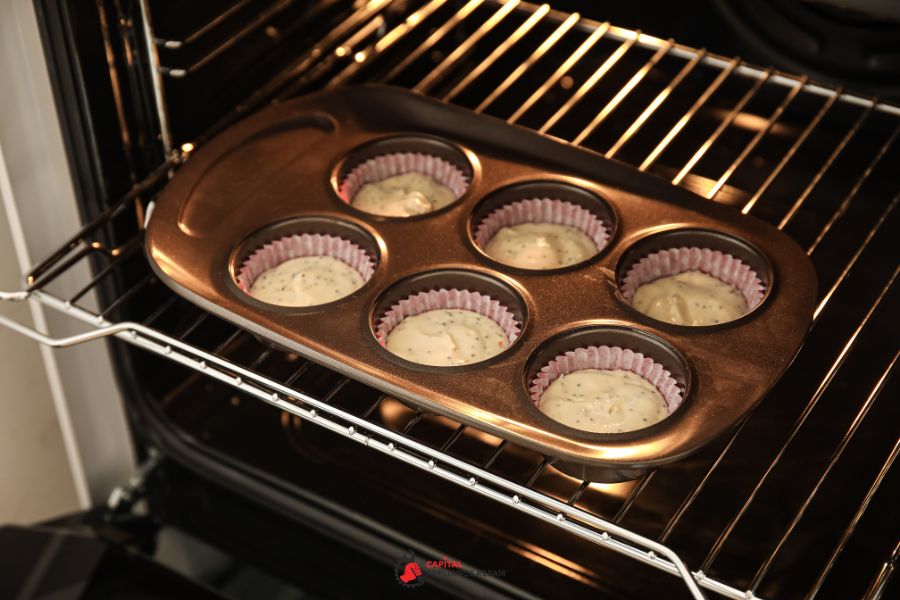
Sparks usually occur when the outer casing of the heating element blisters and breaks open. The live electrical wire inside the casing arcs against the metal interior walls. Appliance repair technicians see this frequently in older homes across Ottawa, where the heating elements have weakened over time. We frequently see this in popular household units, and whether you need KitchenAid stove repair or Whirlpool appliance repair, sourcing the correct OEM element is crucial. If you notice any sparking, you must turn off the breaker at your main electrical panel right away. Once the power is completely disconnected, you should reach out for professional oven repair to safely replace the burnt components. Keeping up with reliable oven maintenance can prevent these coils from failing unexpectedly.
What Are The Warning Pointers For Electrical Sparks In A Kitchen Oven?
- Bright flashes of white or blue light coming from the bottom or top of the cavity.
- Visible blisters, cracks, or white spots on the black heating element coil.
- A loud buzzing or crackling noise occurs when the appliance is actively heating up.
- The main household circuit breaker trips immediately when you press the start button.
- Signs of scorching or black soot on the interior metal walls.
- The heating element appears warped or physically bent out of shape.
What Is The Breakdown Of Electrical Faults?
| Fault Location | Common Warning Sign | Risk Level |
|---|---|---|
| Bake Element | Blisters on the bottom coil | High risk of internal arcing |
| Broil Element | Sparks from the ceiling of the cavity | High risk of fire |
| Terminal Block | Burning smell from the back panel | Severe risk of wall fire |
Can A Power Surge Make An Electric Kitchen Oven Unsafe?
Yes, a massive power surge from a winter storm can fry the electronic control board. When the control board sustains damage, it can send erratic voltage to the heating elements. This can cause the wires to short out and spark unexpectedly. Always use a proper dedicated circuit for your heavy-duty appliances to minimize these risks and protect the electronic brain of your baking unit.
What Does Hot Exterior Glass Mean For Your Kitchen Oven?
Manufacturers design baking appliances with thick layers of fiberglass insulation and multi-pane tempered glass. This engineering ensures that the extreme 400-degree heat stays trapped strictly inside the cooking cavity. The outside door and the front knobs should only ever feel slightly warm while you are baking. If the exterior glass becomes scalding hot to the touch, the thermal integrity of your unit has failed completely.
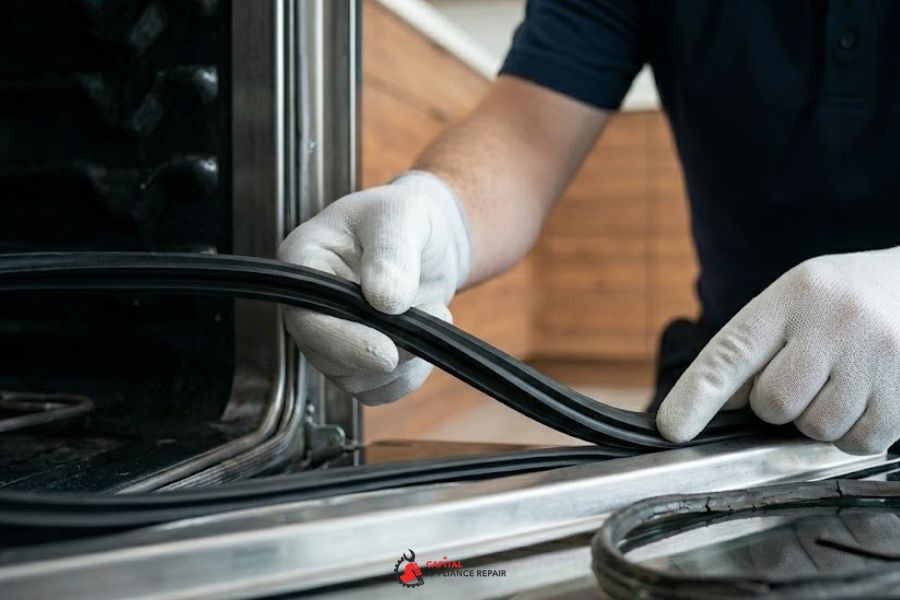
The most frequent cause of extreme heat escaping is a torn or flattened braided door gasket. When this seal degrades, a continuous stream of superheated air pours out of the front of the appliance. This is a massive burn hazard for young children and pets. The escaping heat can also melt your expensive kitchen cabinetry over time. A leaking seal on a baking unit is just as problematic as a leaking seal on a cooling unit or washing machine. In fact, just like dealing with mold on a washer gasket, a damaged oven gasket requires prompt replacement. Whether you need LG appliance repair for a high-tech oven or standard gasket maintenance, replacing it is a fast process. This is why we also emphasize gasket maintenance during our oven repair services. To test your seal, you can close a piece of paper in the door. If you can pull the paper out with zero resistance, your gasket is worn out. If you need help securing your home, contact our team to find the best appliance repair near me for immediate assistance.
What Pointers Indicate Your Kitchen Oven Door Seal Is Broken?
- The exterior glass pane is too hot to comfortably rest your hand against.
- You can feel a distinct draft of hot air blowing against your legs while cooking.
- Condensation builds up heavily between the panes of glass on the front door.
- Your baking times have doubled because the internal heat keeps escaping into the room.
- The braided fabric gasket around the door looks frayed, ripped, or completely flat.
- The control knobs above the door become too hot to safely adjust.
How Do Oven Door Gasket Issues Compare?
| Gasket Condition | Effect On Appliance | Household Impact |
|---|---|---|
| Slightly Flattened | Minor heat loss and longer preheating | Higher electricity bills |
| Frayed Fabric | Uneven baking results for delicate foods | Frustrating cooking experiences |
| Torn Or Missing | Massive heat is escaping from the front | Severe burn hazard for children |
Is A Kitchen Oven Unsafe If The Glass Is Warm To The Touch?
Warm glass is perfectly normal during a standard baking cycle. The safety concern only arises when the glass becomes scalding hot. If touching the door causes you to instinctively pull your hand back in pain, your kitchen oven unsafe condition requires a new gasket or a door hinge adjustment immediately to prevent burns and property damage.
When Does A Burning Plastic Smell Make Your Kitchen Oven Unsafe?
A brand new baking appliance will naturally produce a slight chemical odor the very first time you turn it on. This happens as the factory oils burn off the fresh metal. However, if you have owned your unit for years and it suddenly smells like melting plastic or sharp ozone, you have a serious problem. You must stop using the unit to prevent a potential disaster.
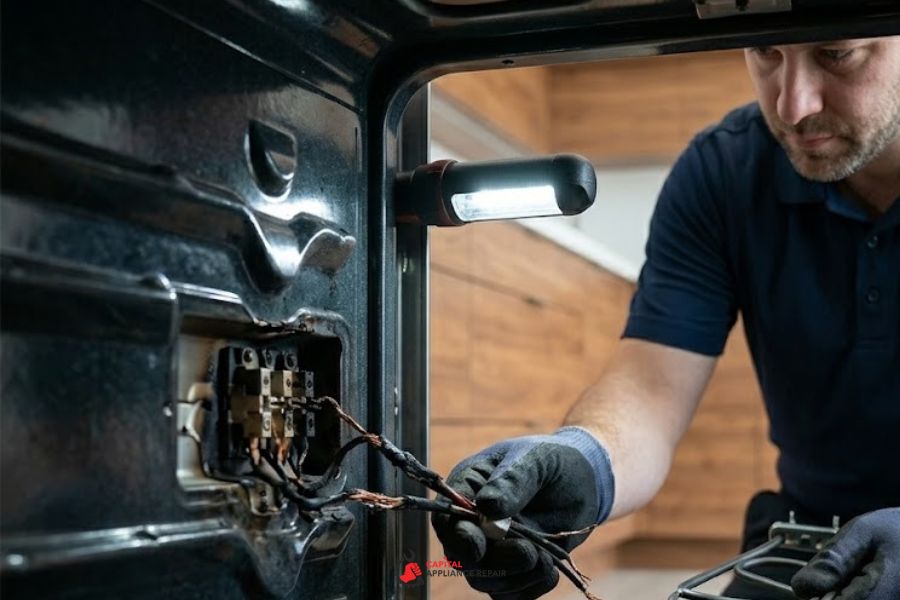
A burning plastic smell usually indicates that the heavy-gauge wire insulation inside the back panel is actively melting. This happens when the terminal block overheats due to a loose electrical connection. High end European models also use complex wiring. If you are seeking Bosch appliance repair or Thermador appliance repair, our technicians know exactly where to locate these hidden terminal blocks safely. If you ignore this smell, it can result in a hidden electrical fire. Fire safety is paramount, which is why organizations like the National Fire Protection Association highlight the dangers of unattended cooking appliance faults. Whether you are dealing with a burning smell from the laundry room that requires dryer repair in Ottawa, or a strange electrical odor that requires washing machine repair, you must shut off the breaker right away. Sometimes, a burning plastic smell simply means a plastic cutting board or food storage container was accidentally left inside during preheating. If this happens, you must carefully ventilate the house and let the appliance cool completely before attempting to safely scrape the hardened plastic off the bottom panel.
What Are The Reasons For Toxic Smells In A Kitchen Oven?
- A sharp chemical odor that resembles melting plastic or burning rubber.
- A sweet but acrid smell that indicates electrical wire insulation is failing.
- Thick black smoke billows from the back control panel or venting slots.
- Food is taking on a strange chemical taste after being baked.
- The smell persists even after you have completely cleaned the interior cavity.
- A lingering smell of ozone, which often points to active electrical arcing.
What Are The Odor Types And Causes In A Table?
| Odor Description | Likely Cause | Recommended Solution |
|---|---|---|
| Melting Plastic | Melted Tupperware or wire insulation | Remove debris or check wiring |
| Sharp Ozone | Electrical arcing at the terminal block | Turn off breaker and call for help |
| Acrid Grease | Old food spills burning on the element | Run a manual cleaning cycle safely |
Why Is A Kitchen Oven Unsafe When Smelling Like Chemicals?
Chemical smells mean that synthetic materials are breaking down under extreme heat. Inhaling these toxic fumes is bad for your respiratory health and can aggravate allergies or asthma. Furthermore, if the wire insulation melts completely away, the raw copper wires will touch the metal frame and cause a massive short circuit. This makes your kitchen oven unsafe and an active fire hazard that requires immediate expert intervention.
Are Temperature Spikes A Sign Your Kitchen Oven Is Unsafe?
If you set your dial to 350 degrees to bake a simple cake and return to find the food charred to a crisp, your oven is suffering from uncontrollable temperature spikes. Overheating is a massive fire risk. If you leave a rapidly overheating appliance unattended, the grease or food inside will quickly ignite. The temperature sensor, also known as the thermistor, is usually to blame. When this sensor fails, it tells the main control board that the cavity is still cold, forcing the heating elements to stay on indefinitely.
When an appliance loses its ability to regulate temperature, it destroys the quality of your cooking and wastes a massive amount of energy. It also poses a constant threat of thermal runaway. Having your temperature sensor checked and replaced is a fast process when handled by an experienced professional. If you constantly feel like you can't adjust the heat on your stove or oven, it is time to schedule an expert oven recalibration.
Is Your Kitchen Oven Temperature Sensor Unsafe?
- Food burns on the outside but remains completely raw on the inside.
- The preheat chime sounds almost immediately, even though the cavity is cold.
- The heating elements glow a blinding bright red and never cycle off.
- The digital display shows an error code related to thermal runaway.
- The surrounding cabinets become extremely hot during a normal baking cycle.
- Your electricity bill suddenly spikes due to the heating element running constantly.
Why Is A Kitchen Oven Unsafe When It Overheats Constantly?
Constant overheating destroys the internal components of the appliance. The extreme temperatures will eventually melt the electronic control board and warp the metal cavity. If the damage is too severe, exploring used appliances in Ottawa might be a more cost-effective solution than a major rebuild. More importantly, overheating can instantly ignite cooking oils or fats left on the bottom panel. A kitchen oven unsafe from temperature spikes is a leading cause of domestic house fires and requires immediate recalibration by a trained technician.
In conclusion, keeping your home safe requires paying close attention to how your appliances behave. Whether you are dealing with a sudden gas smell, sparking elements, or unpredictable temperature spikes, Capital Appliance Repair is here to help. We provide top-tier kitchen stove services to ensure your cooking environment is free from hazards. Always prioritize the safety of your family by acting quickly when warning signs appear. Reach out to our appliance service team today to ensure your kitchen remains a safe, functional, and happy place to cook.


